Integration of Cultural Values in Character and Moral Education for Children at Bukit Permai 2 Kindergarten
Keywords:
Local Culture, Character Education, Early Childhood, Culture-Based LearningAbstract
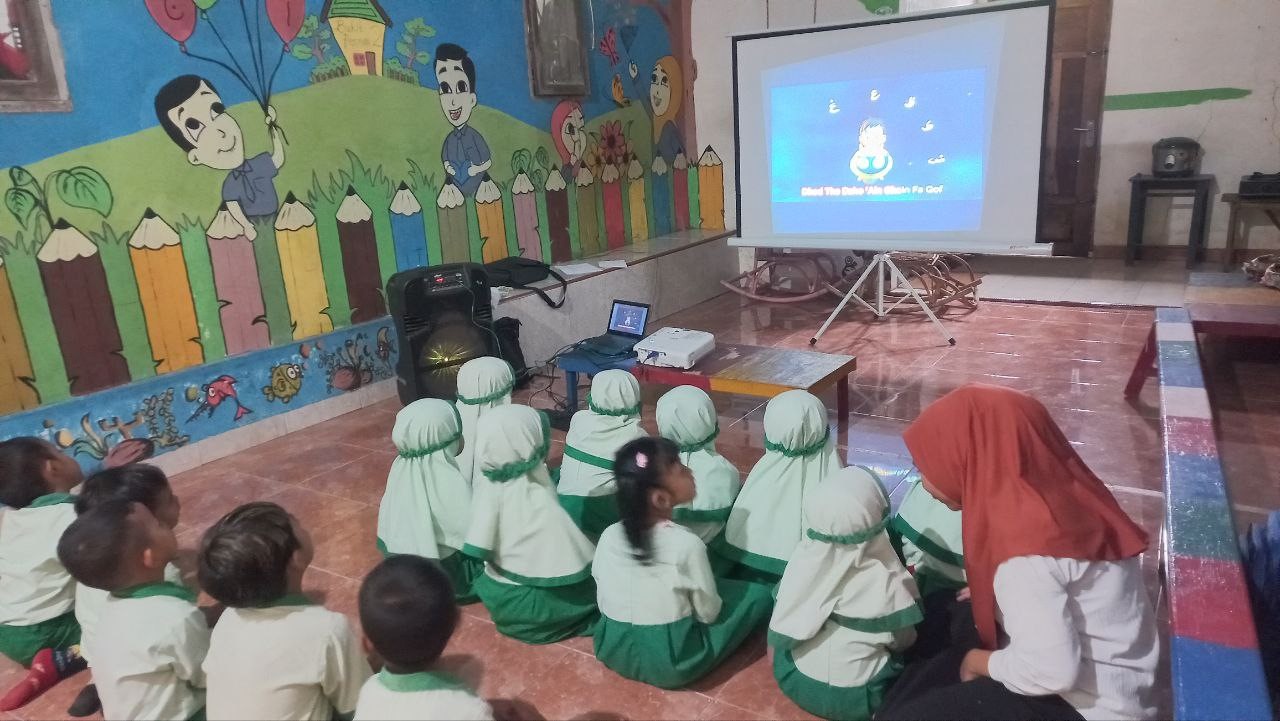
The focus of this research is how local cultural values are integrated into character and moral education for children at TK Bukit Permai 2. This study employs a descriptive qualitative approach with data collection techniques through observation, interviews, and documentation. The validity of the data is tested through triangulation of time, technique, and source, as well as collection, condensation, presentation, and conclusion drawing. The research results show that TK Bukit Permai 2 consistently integrates local cultural values into children's daily activities, such as the use of polite language ("iyye", "tabe"), the habit of greeting teachers, the practice of sharing food, and the reinforcement of empathy and mutual cooperation values through collaborative activities. Teachers also use culturally-based learning methods such as playing traditional games (dende/engklek), performing regional dances (Mappadendang), and storytelling folk tales rich in moral messages. These values are instilled through habituation, exemplary behavior, and socio-cultural approaches in accordance with the developmental theories of Vygotsky, Piaget, and constructivism. Parental support and synergy with the school environment strengthen the effectiveness of character education based on local culture. Children show improvement in character in aspects of empathy, discipline, responsibility, and respect.
Downloads
References
Anhar, A. S., Nini, R., Agama, F., Universitas, I., & Bima, M. (2024). Character Education for Early Childhood Based on the Local Culture of Maja Labo Dahu. Jurnal Pelita Paud, 9(1), 86–95.
Atika, N. T., Wakhuyudin, H., & Fajriyah, K. (2019). Implementation of character education strengthening to shape a love for the homeland. Mimbar Ilmu, 24(1), 105–114.
APJII. (2023). APJII 2023 Internet Survey Report: Penetration & Behavior of Indonesian Internet Users. Indonesian Internet Service Providers Association.
Creswell, J. W. (2015). Research Design: Qualitative, Quantitative, And Mixed Methods Approaches.
Daudy Buhari, Bestari Endayana, F. S. (2024). Integrity of Cultural Values in Islamic Education. Jurnal Literasiologi Literasi Kita Indonesia, 12(1), 95–104.
Hartiwisidi, N., Damayanti, E., Musdalifah, M., Rahman, U., Suarga, S., & Shabir U, M. (2022). Strengthening Character Education Based on Mandar Metabe' and Mepuang Local Wisdom at SDN 001 Campalagian. Journal of Character Education. Haryanto, A. (2018). Local Wisdom as a Source of Character Learning in Schools. Jakarta: Rajawali Pers.
Ministry of Communication and Information Technology of the Republic of Indonesia. (2022). National Report: Device Usage Behavior in Children and Adolescents. Ministry of Communication and Information Technology of the Republic of Indonesia.
Ministry of Education, Culture, Research, and Technology of the Republic of Indonesia. (2021). National Cultural Survey: Students' Knowledge and Interest in Regional Songs and Dances. Ministry of Education, Culture, Research, and Technology of the Republic of Indonesia.
Ministry of Education and Culture. (2020). Regulation of the Minister of Education and Culture of the Republic of Indonesia Number 22 of 2020 concerning the Strategic Plan of the Ministry of Education and Culture for 2020-2024. Ministry of Education and Culture, 174.
Rahmawati, Y. (2015). Introduction to Culture Through Storytelling for Early Childhood. Journal of Early Childhood Education, 1(1). Https://Doi.Org/10.21831/Jpa.V1i1.2908
Ramdani, M. A. (2017). "Implementation of Local Culture-Based Character Education in Elementary Schools." Journal of Character Education, 8(2), 123–138.
Samad, Yuyun Ernawati, M. A. M. (2025). The Application of Positive Discipline to Improve the Discipline of Early Childhood. 3(2), 102–114.
Suardipa, I. P. (2020). Vygotsky's Sociocultural Revolution in the Context of Learning. Widya Kumara Journal of Early Childhood Education, 1(2), 48–58.
Sugiyono. (2019). Educational Research Methods: Quantitative, Qualitative, and R&D Approaches. Bandung: Alfabeta.
Syahrir, M. (2021). The Influence of Local Cultural Values on Character Building in Early Childhood Education ( ) in Early Childhood Education (PAUD). Journal of Character Education, 12(1), 67–82.
Utaminingsih, S., & Rachmawaty, S. (2023). The Role of Organizational Culture in Shaping the Social Responsibility Attitudes of Early Childhood Education Teachers. Journal of Early Childhood Education, 7(6), 6808–6817. Https://Www.Obsesi.Or.Id/Index.Php/Obsesi/Article/View/5591
Wulandari, R. (2019). Implementation of Local Cultural Values in Character Education in Early Childhood Education. Journal of Early Childhood Education, 10(1), 15–3