The Influence of Lifestyle, Cashless Society and Residential Location on the Intention to Use QRIS as a Payment Tool
DOI:
https://doi.org/10.47453/ecobankers.v6i1.3166Keywords:
Cashless Society, Lifestyle, Residential Location, QRISAbstract
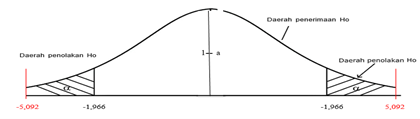
As the digital age progressed, several updated technologies were implemented, with the sole one affecting the incorrect payment method. People now choose to employ convenience while transacting with different types of matters. This research examines the effects of QRIS as a payment instrument on the Cirebon Regency community regarding their lifestyle choices, cashless society, and place of residence. This study utilises data from communities within the Cirebon Regency area. The research method employed is quantitative field research, which uses data analysis techniques, including instrument validity testing, reliability testing, classical assumption testing, hypothesis testing, and R-squared testing. The study results indicate that lifestyle variables negatively influence interest in QRIS usage. The calculated t-value of -5.092 is less than the critical value of -1.966, indicating that the cashless society variable positively affects interest when using QRIS. The calculated t value (28.967) exceeds the t table value (1.966), indicating that the variable location significantly negatively influences interest in using QRIS. The calculated t value is less than the critical value from the table (-5.211 < -1.966), indicating significance. Additionally, a third independent variable influences interest, with a QRIS of 72.6%. The calculated F value exceeds the critical F value (280.807 > 2.627), further supporting the findings. This study suggests that QRIS adoption strategies must focus on fostering cashless habits, overcoming geographic accessibility challenges, and enhancing financial literacy, particularly in rural regions characterised by high e-wallet usage and low banking penetration. The recommendation for research suggests that financial institutions implement educational programs focused on the responsible use of digital payments, enhance QRIS infrastructure in rural regions, prioritise practical benefits over lifestyle associations, and collaborate with e-wallet providers to address the needs of the 35% of unbanked users.
Downloads
References
Anjani, Dita Anjani Dita, Dwi Novaria Misidawati Dwi Novaria Misidawati, and Husni Awali Husni Awali. 2022. “Analisis Faktor-Faktor Yang Mempengaruhi Minat Generasi Z Dalam Menggunakan Sistem Pembayaran E-Wallet.” Sahmiyya: Jurnal Ekonomi Dan Bisnis: 124–34.
Ashilah, F, and B Waluyo. 2023. “Pengaruh Cashless Society, Gaya Hidup Dan Tingkat Religiositas Terhadap Perilaku Konsumsi Islami Generasi Z.” Seminar Nasional Akuntansi dan … 3.
Bowo, Ferdian Arie. 2023. “Penguatan UMKM Melalui Pembayaran Digital: Strategi Digital Marketing Dalam Era Baru.” Jurnal Studi Interdisipliner Perspektif 22(2): 134–40.
Chodlir, Enggar Arrosyad, and Irsad Andriyanto. 2024. “Financial Knowledge , Lifestyle , Dan Persepsi Kemudahan Terhadap Minat Penggunaan QRIS Pada Transaksi Retail Masyarakat Muslim.” 2(1): 123–35.
Dhea, Marsilia Ningsih. 2022. “Pengaruh Penggunaan QRIS Pada Aplikasi Mobile Banking BSI Terhadap Kelancaran Dan Keamanan Bertransaksi Non Tunai Bagi Para Pelaku UMKM (Studi Kasus Bank Syariah Indonesia KCP Kedaton Bandar Lampung.” PhD Thesis. UIN RADEN INTAN LAMPUNG. http://repository.radenintan.ac.id/19797/ (March 29, 2025).
Ika Rarawahyuni. 2022. “THE THEORETICAL REVIEW OF CONSUMPTION IN ISLAM ON WASTING FOOD BEHAVIOUR (TABDZIR) IN INDONESIA.” 9(2): 356–63.
Katon, Firman, and Ulfa Yuniati. 2020. “Fenomena Cashless Society Dalam Pandemi Covid-19 (Kajian Interaksi Simbolik Pada Generasi Milenial).” Jurnal Signal 8(2): 134. doi:10.33603/signal.v8i2.3490.
Lestari, Desi Tika, Crisya Damai Yanti Siburian, and Ewisra Ndraha. 2023. “Sosialisasi Pengenalan Dan Implementasi Sistem Pembayaran Digital Menggunakan QRIS Pada UMKM.” Eksis: Jurnal Ilmiah Ekonomi dan Bisnis 14(2): 126–31.
Musdalifah, Septi. 2018. “Program Gerakan Nasional Non Tunai (Gnnt) Bank Indonesia Ditinjau Dari Ekonomi Islam.” PhD Thesis. IAIN Palangka Raya. http://digilib.iain-palangkaraya.ac.id/1691/ (March 29, 2025).
Nasution, Rina Anasti. 2020. “Analisis Persepsi Pedagang Pada Penggunaan Qris Sebagai Alat Transaksi Umkm Di Kota Medan.” PhD Thesis. Universitas Islam Negeri Sumatera Utara Medan. http://repository.uinsu.ac.id/11006 (March 29, 2025).
Nuryadi, Tutut Dewi Astuti, Endang Sri Utami, and M. Budiantara. 2017. Sibuku Media Buku Ajar Dasar-Dasar Statistik Penelitian.
Putri, Melisa Tania, Atika Jauharia Hatta, and Cahyo Indraswono. 2023. “Analisis Persepsi Kemanfaatan, Persepsi Kemudahan, Kepercayaan, Gaya Hidup, Literasi Keuangan, Dan Risiko Terhadap Penggunaan Qris Sebagai Alat Pembayaran Digital Pada Mahasiswa Di Yogyakarta.” Jurnal Ekonomi Dan Bisnis 17(3): 215–28.
Putri, Nurul Amalia, and Diyan Lestari. 2019. “Pengaruh Gaya Hidup Dan Literasi Keuangan Terhadap Pengelolaan Keuangan Tenaga Kerja Muda Di Jakarta.” AKURASI: Jurnal Riset Akuntansi dan Keuangan 1(1): 31–42. doi:10.36407/akurasi.v1i1.61.
Rohmaniyah, Fina Athiyatur, Siti Asiyah, and Afi Rachmat. 2022. “Pengaruh Gaya Hidup, e-WOM, Dan Cashless Society Terhadap Keputusan Dalam Penggunaan Sistem Pembayaran QRIS (Studi Kasus Pada Mahasiswa Fakultas Ekonomi Dan Bisnis Angkatan 2019 Universitas Islam Malang).” Riset Manajemen 12(02): 1–10.
Rondonuwu, Garry, and Lucky F Tamengkel. 2016. “Pengaruh Lokasi Usaha Terhadap Minat Beli Konsumen (Studi Kasus Pasar Swalayan Borobudur Manado).” Jurnal Administrasi Bisnis 4(4): 1–8.
Seputri, Wirda, Andri Soemitra, and Nur Ahmadi Bi Rahmani. 2022. “Pengaruh Technolgy Acceptance Model Terhadap Minat Mahasiswa Menggunakan Quick Response Code Indonesian Standard (QRIS) Sebagai Cashless Society.” MES Management Journal 2(2): 116–26. doi:10.56709/mesman.v2i2.57.
Setiadi, Dr.Nugroho J. 2013. PERILAKU KONSUMEN. Cetakan Ke. Jakarta: PT. Kharisma Putra Utama.
Stefanie, Meildia, Nanik Rahmawati, and Siti Arieta. 2023. “PERTUKARAN SOSIAL PEDAGANG DALAM MENERAPKAN TRANSAKSI DIGITAL DI KAWASAN KULINER MELAYU SQUARE KOTA TANJUNGPINANG.” PhD Thesis. Universitas Maritim Raja Ali Haji. http://repositori.umrah.ac.id/id/eprint/6322 (March 29, 2025).
Tan, Khee Giap, Mulya Amri, and Nursyahida Ahmad. 2018. “DI Yogyakarta.” 17(3): 211–21. doi:10.1142/9789813226913_0015.
Wolff, Monica, Willem J F A Tumbuan, and Debry Ch A Lintong. 2021. “Pengaruh Gaya Hidup, Harga Dan Citra Merek Terhadap Keputusan Pembelian Produk Smartphone Merek Iphone Pada Kaum Perempuan Milenial Di Kecamatan Tahuna.” Ekonomi Bisnis Manajemen dan Akuntansi (EBMA) 10(1): 1671–81.
Downloads
Published
How to Cite
Issue
Section
License
Copyright (c) 2025 Authors

This work is licensed under a Creative Commons Attribution 4.0 International License.